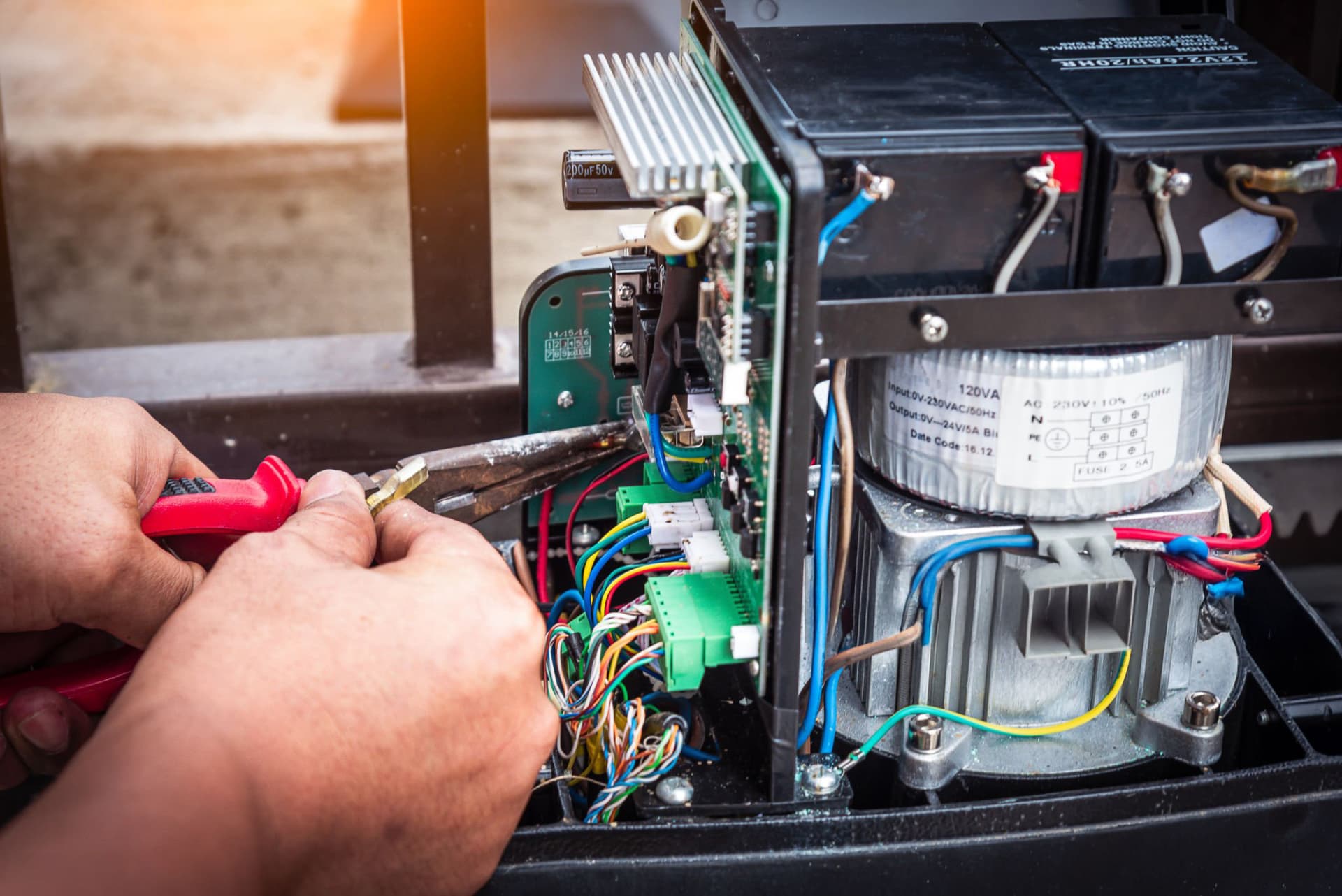
A reliable garage door motor provides convenience, security, and peace of mind for homeowners. With the push of a button, your garage door opens and closes smoothly, protecting your vehicles and belongings while making daily access effortless.
Like any mechanical and electrical device, however, garage door motors are not designed to last forever. Over time, components wear out, electrical systems deteriorate, and environmental factors can contribute to reduced performance and eventual failure.
Understanding the most common causes of garage door motor problems can help Melbourne homeowners identify issues early, reduce repair costs, and extend the lifespan of their garage door systems.
The most common reason garage door motors fail is simply age and regular use.
Every time the garage door opens or closes, the motor completes a cycle. For households that use their garage multiple times per day, this can add up to thousands of cycles each year.
Over time, gears, bearings, circuit boards, and drive systems naturally wear down. Eventually, the motor may become slower, noisier, or less reliable before failing completely.
Regular servicing can help identify wear-related issues before they result in unexpected breakdowns.
Many homeowners don't think about their garage door until something goes wrong.
Without regular maintenance, small issues can gradually place additional strain on the motor. Dirty tracks, worn rollers, poor lubrication, and unbalanced doors all force the motor to work harder than necessary.
The harder the motor works, the faster internal components wear out.
Routine servicing helps keep all parts of the system operating efficiently and reduces unnecessary stress on the motor.
Garage door springs and motors work together to move the door safely.
The springs carry most of the door's weight, while the motor provides controlled movement. When springs become worn or break, the motor must compensate for the additional load.
Many garage door motors fail prematurely because they continue operating with damaged springs.
If your garage door suddenly feels heavier than normal or struggles to open, spring failure should be investigated immediately.
Power surges can damage sensitive electronic components within garage door motors.
Lightning strikes, electrical faults, power outages, and sudden voltage fluctuations can affect circuit boards and control systems.
While some modern garage door openers include built-in protection, repeated surges can still shorten the lifespan of electrical components.
Installing surge protection can help minimise the risk of electrical damage.
Modern garage door motors rely heavily on electronic control systems.
Circuit boards manage motor operation, remote controls, safety sensors, limit settings, and smart home integrations. If the circuit board develops a fault, the motor may begin behaving unpredictably.
Common symptoms include:
Depending on the model, replacing the circuit board may be possible without replacing the entire motor.
Garage door motors generate heat during operation.
Under normal conditions, this heat dissipates safely. However, excessive use, poor ventilation, or underlying mechanical problems can cause the motor to overheat.
Many modern systems include thermal protection features that temporarily shut down the motor until it cools. If overheating occurs regularly, professional inspection is recommended.
Persistent overheating can significantly shorten motor lifespan.
Garage doors rely on smooth movement along their tracks.
If tracks become bent, rollers wear out, or components become misaligned, the motor must work harder to move the door.
This increased resistance places additional strain on the motor and can accelerate wear.
Regular inspections help identify track and roller problems before they contribute to motor failure.
Melbourne's weather conditions can expose garage door systems to moisture throughout the year.
Water ingress can damage electrical components, corrode internal parts, and create short circuits within the motor system.
This is particularly common in older installations or garages with poor weather sealing.
Addressing water leaks and maintaining weatherproofing helps protect the motor from unnecessary damage.
Garage doors are carefully balanced during installation.
If additional weight is added through modifications, damaged panels, or water absorption in timber components, the motor may be forced to work beyond its intended capacity.
Overloaded motors often experience premature wear and reduced reliability.
Professional adjustment and balancing can restore proper operation and reduce strain on the system.
Sometimes the motor itself is not actually the problem.
Faulty remotes, damaged wiring, sensor misalignment, or communication issues can create symptoms that appear to be motor failure.
Professional diagnostics can determine whether the motor requires repair or whether another component is responsible for the issue.
Accurate diagnosis prevents unnecessary replacement costs.
Most quality garage door motors last between 10 and 15 years under normal residential use.
Factors affecting lifespan include:
Well-maintained systems often exceed their expected lifespan while neglected systems may fail much earlier.
When a motor begins experiencing problems, homeowners often wonder whether repair or replacement is the better option.
Minor electrical issues, sensor faults, and component failures can often be repaired cost-effectively. However, older motors with multiple issues may benefit from replacement.
Modern garage door openers offer significant improvements in reliability, security, energy efficiency, smartphone integration, and safety features.
A professional technician can assess the condition of your existing system and recommend the most practical solution.
Garage door motors are designed to provide years of reliable service, but they perform best when supported by regular maintenance and timely repairs.
Routine servicing helps identify worn components before they damage the motor, while professional inspections ensure the entire garage door system remains balanced and operating correctly.
For Melbourne homeowners, preventative maintenance remains the most effective way to maximise motor lifespan, improve reliability, and avoid unexpected repair costs.

